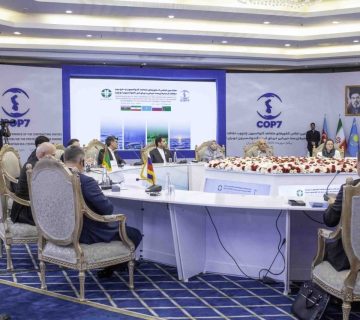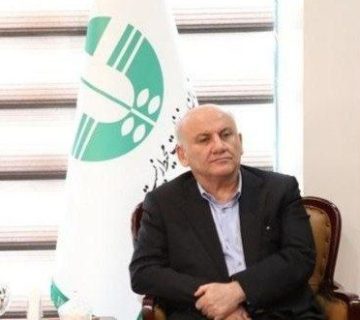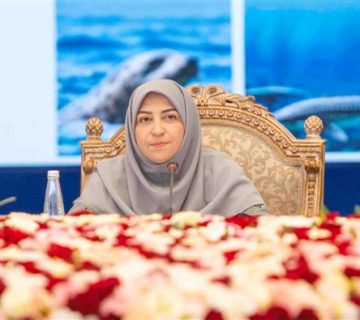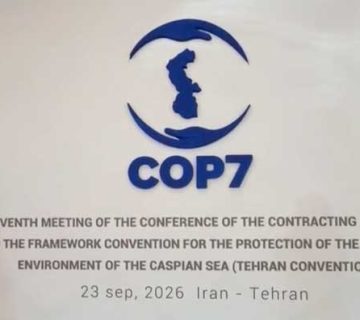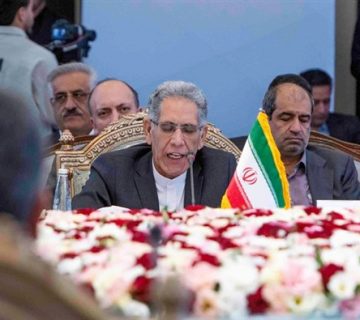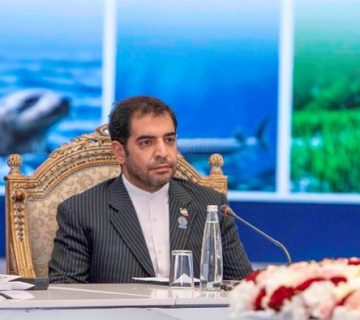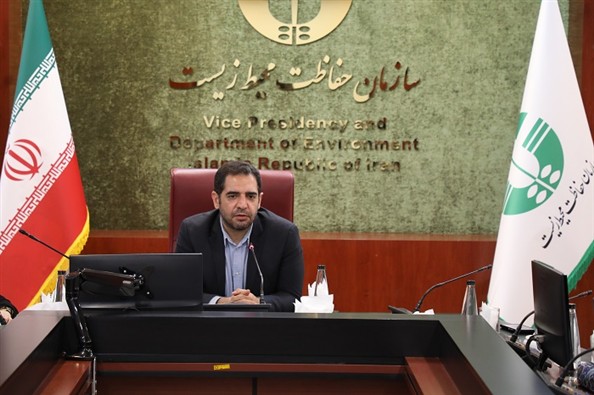
The Head of the Center for International Affairs and Conventions of the Department of Environment, referring to the holding of the Seventh Meeting of the Conference of the Parties to the Tehran Convention (COP7) hosted by the Islamic Republic of Iran, stated: Holding this meeting in Tehran is an important opportunity for developing the international relations of the Islamic Republic of Iran in the environmental sector, strengthening regional cooperation, and utilizing the capacity of international conventions for the protection of shared ecosystems.
According to the Public Relations of the Department of Environment, Arman Khorsand stated: “Environmental issues today have become transboundary. Pollution, climate change, habitat degradation, biodiversity loss, and threats to shared natural resources are not issues that can be managed solely within a country’s borders. Therefore, developing international cooperation and utilizing multilateral mechanisms form a significant part of environmental diplomacy.”
He added: “COP7 of the Tehran Convention, hosted by the Islamic Republic of Iran in Tehran, is one of the most crucial regional platforms for dialogue and joint decision-making regarding the future of the Caspian Sea’s environment. The presence of representatives from Caspian littoral states and international organizations at this meeting facilitates the exchange of views, examination of common challenges, and definition of cooperation pathways among countries.”
Khorsand, referring to the importance of environmental conventions, stated: “Beyond legal obligations, conventions can serve as a foundation for establishing continuous communication channels between countries, exchanging knowledge and information, transferring expertise and technology, implementing joint projects, and leveraging international technical and financial capacities.”
The Head of the Center for International Affairs and Conventions of the Department of Environment continued: “The Tehran Convention (Framework Convention for the Protection of the Marine Environment of the Caspian Sea) is an example of such multilateral cooperation, linking the five Caspian littoral states within a common framework for protecting this ecosystem. Areas such as biodiversity conservation, pollution control, habitat protection, and transboundary environmental impact assessment are pursued within this framework.”
He elaborated: “One of the significances of COP7 is that Caspian-related issues are discussed at expert and high-level levels, with the participation of the concerned countries within a common framework, which can pave the way for strengthening practical cooperation among the littoral states.”
Khorsand pointed to some of the Caspian Sea’s environmental challenges: “Water level fluctuations, the condition of coastal habitats, the protection of valuable and migratory species, transboundary pollution, and the impacts of climate change are among the topics whose examination requires data exchange, joint studies, and the continuity of scientific and specialized communication among the littoral states.”
He added: “Within the framework of hosting COP7, the Islamic Republic of Iran strives to further activate its international communication capacities in the environmental field and utilize the presence of representatives from various countries and international organizations to expand joint cooperation and pursue issues of concern to Iran.”
The Head of the Center for International Affairs and Conventions of the Department of Environment emphasized: “Holding COP7 in Tehran, in addition to its importance for the protection of the Caspian Sea, is an opportunity to showcase the country’s scientific and specialized capacities and to establish more effective communication between scientific centers, executive bodies, and international institutions active in the environmental field.”
Khorsand concluded: “The approach of the Islamic Republic of Iran in this meeting is to strengthen cooperation and constructive dialogue among the littoral states and to move towards decisions that can lead to joint and implementable actions for the protection of the Caspian environment.”
He said: “The hosting of COP7 by the Islamic Republic of Iran, after the hiatus in the convening of this meeting, demonstrates the importance of the Caspian issue and the necessity of keeping regional cooperation mechanisms active. We hope that the outcome of this meeting will enhance communication among the littoral states and international partners towards protecting this shared ecosystem.”