The Director-General of the National Museum of Natural History and Genetic Resources stated: “The genetic resources and biodiversity of the Caspian Sea are strategic issues in the path of environmental cooperation among the five littoral states of this water body, and the 7th meeting of the Conference of the Parties to the Tehran Convention can provide the ground for strengthening this cooperation.”
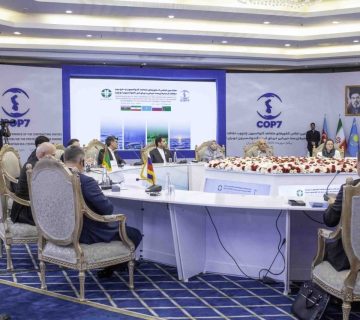
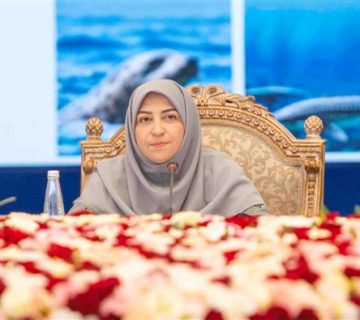
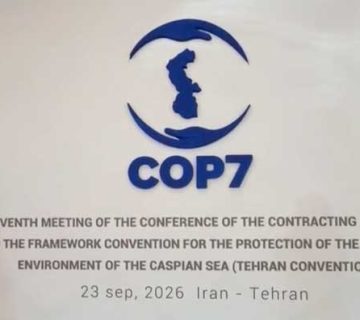
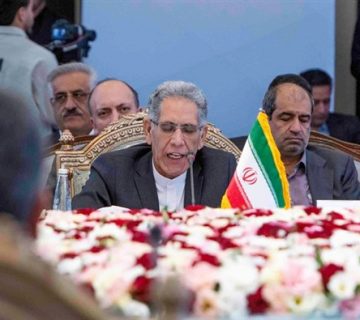
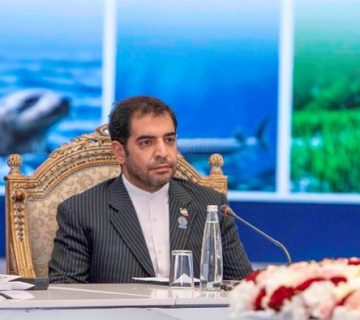
According to the Department of Environment’s Public Relations Office, the 7th meeting of the Conference of the Parties to the Tehran Convention (COP7) is being held in Tehran while the protection of biodiversity and genetic resources of the Caspian Sea is considered one of the key pillars of environmental cooperation among Iran, the Republic of Azerbaijan, Kazakhstan, Russia, and Turkmenistan.
Due to its endemic and unique species, the Caspian Sea is regarded as one of the most important ecosystems in the region, and protecting its biological and genetic resources requires cooperation and coordination among the littoral states.
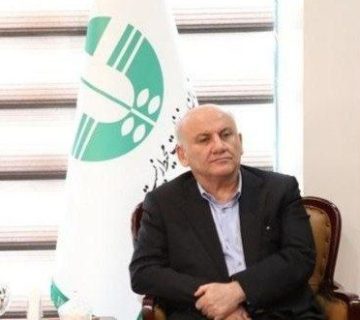
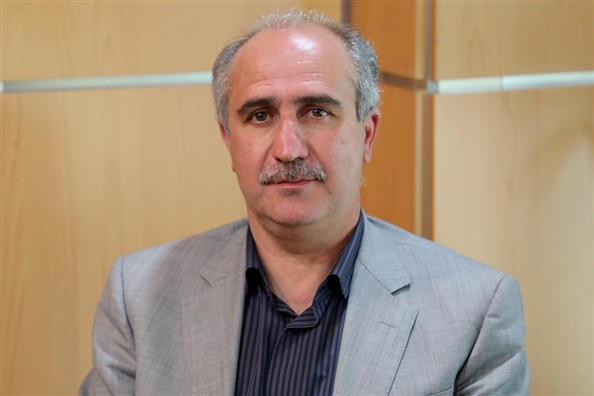
Alireza Najimi, Director-General of the Office of the National Museum of Natural History and Genetic Resources, pointing to the importance of the Protocol for the Protection of the Caspian Biodiversity (Ashgabat Protocol), stated: “This protocol was adopted at the 5th meeting of the Conference of the Parties to the Tehran Convention in 2014 and strengthens the framework of cooperation among the littoral states for the protection of the Caspian Sea’s biodiversity.”
He added: “The issue of genetic resources is important from the perspective that endemic species and populations of the Caspian are not only today’s biological resources, but also carriers of valuable genetic diversity that can be utilized in scientific research, species conservation, restoration of threatened populations, and sustainable use of biological resources.”
Najimi continued: “The 7th meeting of the Conference of the Parties to the Tehran Convention can be an opportunity to strengthen cooperation among the five Caspian littoral states in the fields of biodiversity monitoring, exchange of scientific data, and coordinated protection of species and shared habitats.”
The Director-General of the National Museum of Natural History and Genetic Resources said: “The management and sustainable utilization of genetic resources can encompass issues such as access to resources, conducting scientific research, information exchange, and the formulation and strengthening of legal frameworks among the littoral states.”
He added: “Hosting the 7th meeting of the Conference of the Parties to the Tehran Convention in Tehran can lead to the protection of the Caspian Sea’s genetic and biological assets receiving more attention than ever before within the framework of regional cooperation, science-oriented approaches, and the sustainable use of natural resources.”
Najimi emphasized: “The continuation of such an approach can be effective in protecting the unique species of the Caspian Sea and preserving the biodiversity of this water body for future generations.”