“The persistent decline in the Caspian Sea’s water level poses severe threats to the sea’s wetlands and coastal ecosystems, potentially leading to water depletion, altered salinity regimes, and the ecological degradation of invaluable wetland habitats.”
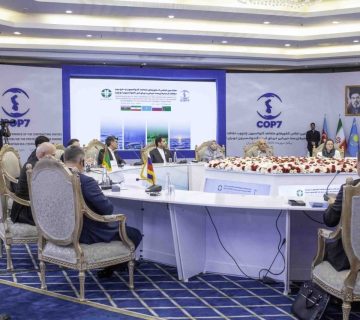
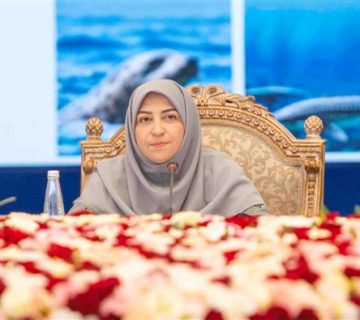
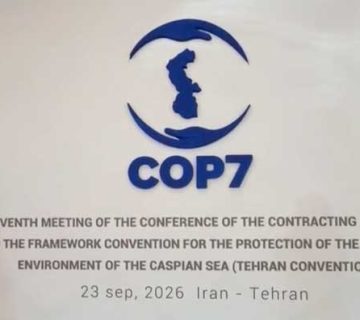
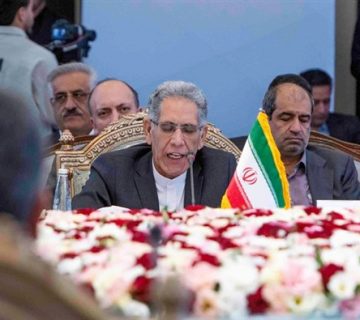
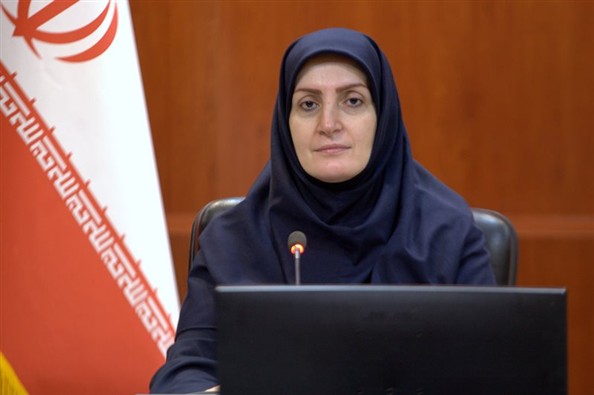
According to the Public Relations Office of the Department of Environment, Arezou Ashrafizadeh, speaking on the sidelines of the Seventh Meeting of the Conference of the Parties to the Tehran Convention (COP7), stated:
“Coastal wetlands, including Anzali Wetland, Miankaleh Wetland, and Gorgan Bay, are acutely vulnerable to water level fluctuations in the Caspian Sea. The continued downward trajectory in water levels could fundamentally alter the ecological dynamics of these fragile ecosystems.”
She added:
“Under present conditions, safeguarding these wetlands demands continuous scientific monitoring, the formulation and execution of water-level adaptation frameworks, and reinforced multilateral cooperation among Caspian littoral states.”
Highlighting the strategic significance of the Seventh Meeting of the Tehran Convention, the Director General noted:
“COP7 provides a valuable platform to consolidate regional cooperation and address the decline in the Caspian Sea water level alongside its direct ramifications for coastal wetlands across littoral nations.”
Ashrafizadeh emphasized:
“The five Caspian coastal states face shared ecological challenges across this maritime expanse. Safeguarding coastal biomes and Caspian-dependent wetland ecosystems necessitates closely coordinated, collective actions among all littoral states.”
She concluded:
“In this context, bolstering the monitoring regime, facilitating scientific data exchange, and leveraging research findings for forward planning and adaptive measures will prove vital in mitigating the severe impacts stemming from the fluctuating water levels of the Caspian Sea.”