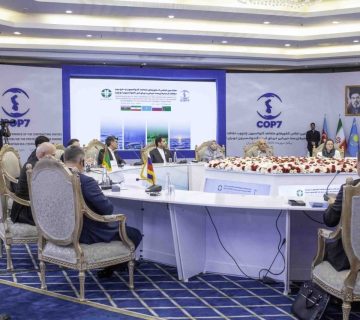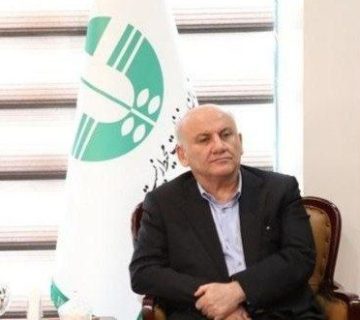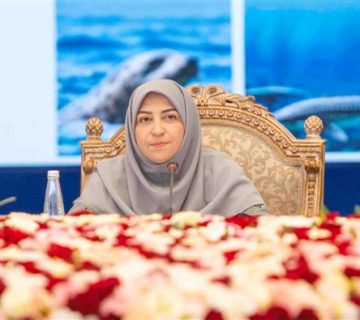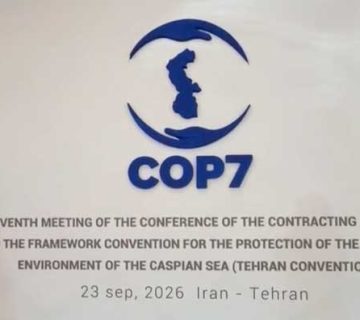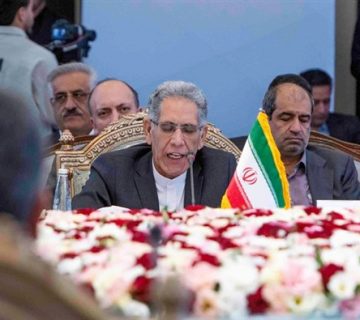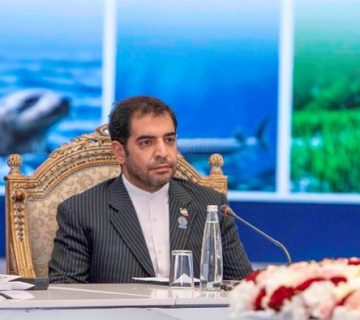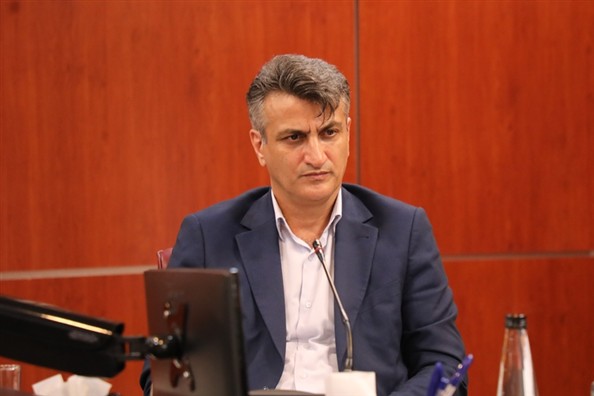
The Deputy for Education and Public Participation of the Environmental Protection Organization, referring to the holding of the seventh meeting of the Conference of the Parties to the Tehran Convention (COP 7) in Tehran, stated that the participation of local communities and stakeholders is one of the pillars of sustainable protection of the Caspian Sea. He added that the protection of this shared ecosystem is not achieved solely through the management and executive actions of governments; rather, it requires increasing awareness, empowerment, and effective participation of coastal communities and all influential groups.
According to the Public Relations of the Environmental Protection Organization; Hadi Kia Daeliri stated: The Caspian Sea is a shared ecosystem among five coastal countries, and many of its challenges, from pollution and biodiversity loss to pressures resulting from human activities, do not recognize geographical borders. Therefore, educational, social, and cultural cooperation must also be pursued in line with the transboundary nature of this ecosystem and within the framework of regional cooperation.
He added: One of the important capacities of COP 7 can be the creation and strengthening of joint educational and social programs among the Caspian littoral states; programs in which successful experiences, methods of education and promotion of environmental protection culture, and patterns of local community participation are shared among countries, and ultimately, contribute to the formation of a common approach and discourse for the protection of the Caspian.
The Deputy for Education and Public Participation of the Environmental Protection Organization, emphasizing the role of local communities and coastal stakeholders, continued: Fishermen, local communities, tourism activists, non-governmental organizations, students, academics, coastal businesses, and other groups that are directly or indirectly connected with the Caspian ecosystem are part of the governance and protection capacity of this ecosystem. Therefore, we must move beyond viewing people as mere audiences of environmental programs and transform them into partners and actors in the protection process.
Kia Daeliri specified: Environmental education is effective when it is not limited to the transfer of information but is designed according to the cultural, social, and economic conditions of local communities and can transform knowledge into attitude, attitude into behavior, and behavior into effective participation in environmental protection. In such an approach, education should be accompanied by creating opportunities for participation, access to information, strengthening social responsibility, and providing the means for action.
Referring to the Islamic Republic of Iran’s hosting of COP 7, he said: Iran’s hosting of this international event is a suitable opportunity to present the country’s capacities and experiences in the field of education, public participation, and social responsibility in environmental protection, and to provide a platform for defining joint regional programs and operational projects among the Caspian littoral states.
The Deputy for Education and Public Participation of the Environmental Protection Organization noted: The future of the Caspian Sea does not depend solely on the decisions and actions of governments; rather, it also depends on the level of awareness, empowerment, and public participation of those who live and work along the shores of this body of water. If the protection of the Caspian is to be sustainable, people must transform from the audience of environmental policies to partners in their implementation. Strengthening this participation can be one of the main pillars of environmental cooperation among the countries of the region.